Nikko
日光
Went up to Nikko last weekend, I'd always wanted to go.
It's 2 hours from Asakusa Station in Tokyo though it took us a bit longer, as along with almost every other male on the train, we laid into the beers on the way up, no-one told us to change trains at Imaichi so we ended up at Kinugawa Onsen.
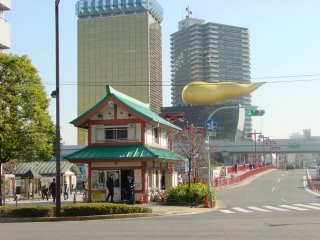
No worries, we got a couple of local trains back to Nikko and a taxi to the Seikoen Hotel - the nearest accommodation to the sites. According to the taxi driver the hotel must be owned by Buddhist or Shinto priests to be located so near to Nikko's main sites. It's literally a 10-minute walk to Toshogu, Nikko's prime tourist attraction.
The hotel, though rather starchy at reception, is a friendly enough place with good onsen facilities, including a couple of rotemburo (outside baths) and excellent food.
A combination ticket of 1,300 yen will guarantee you entrance to Nikko's main sites including Toshogu, Rinnoji, and Futarasan jinja but not past the Nemuri-neko (Sleeping Cat) gate and the steep climb through the forest to the mausoleum of Tokugawa Ieyasu.
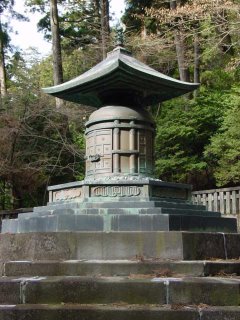
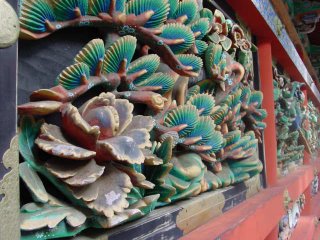
The colorful, almost gaudy decoration of the shrines reveal the power and wealth of the Tokugawas - military commanders (shogun) of the nation from the early 17th to mid 19th century. The artwork stands in stark contrast to the more "aristocratic" sensibility of many of Kyoto's temples and shrines. The Tokugawas overthrew imperial control and rejected much of courtly art.
The recurring symbols of fierce animals and sturdy pine trees intend to demonstrate the power and longevity of the Tokugawa dynasty, for so long Japan's paramount clan.
Travel tip
If you take the express Tokkyu or rapid Kaisoku on the Tobu Nikko line from Asakusa check whether you need to change at Imaichi.
Read about nearby Chuzenji-ko and Kegon Falls.
Lonely Planet Guide to Japan - Buy this book from Amazon
USA
UK
Japan
Onsen in Japan
日光
Went up to Nikko last weekend, I'd always wanted to go.
It's 2 hours from Asakusa Station in Tokyo though it took us a bit longer, as along with almost every other male on the train, we laid into the beers on the way up, no-one told us to change trains at Imaichi so we ended up at Kinugawa Onsen.
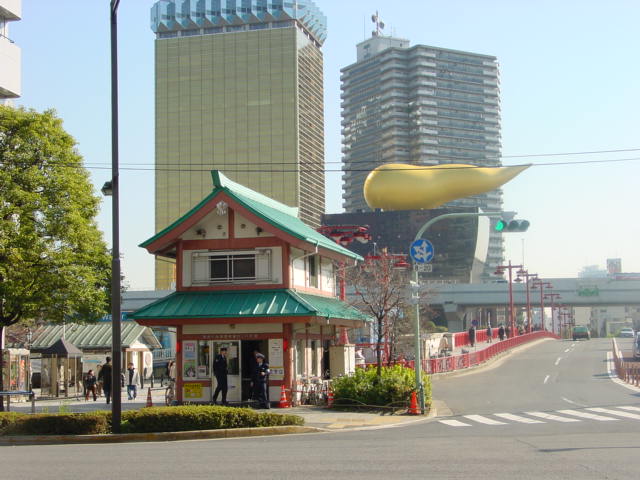
No worries, we got a couple of local trains back to Nikko and a taxi to the Seikoen Hotel - the nearest accommodation to the sites. According to the taxi driver the hotel must be owned by Buddhist or Shinto priests to be located so near to Nikko's main sites. It's literally a 10-minute walk to Toshogu, Nikko's prime tourist attraction.
The hotel, though rather starchy at reception, is a friendly enough place with good onsen facilities, including a couple of rotemburo (outside baths) and excellent food.
A combination ticket of 1,300 yen will guarantee you entrance to Nikko's main sites including Toshogu, Rinnoji, and Futarasan jinja but not past the Nemuri-neko (Sleeping Cat) gate and the steep climb through the forest to the mausoleum of Tokugawa Ieyasu.
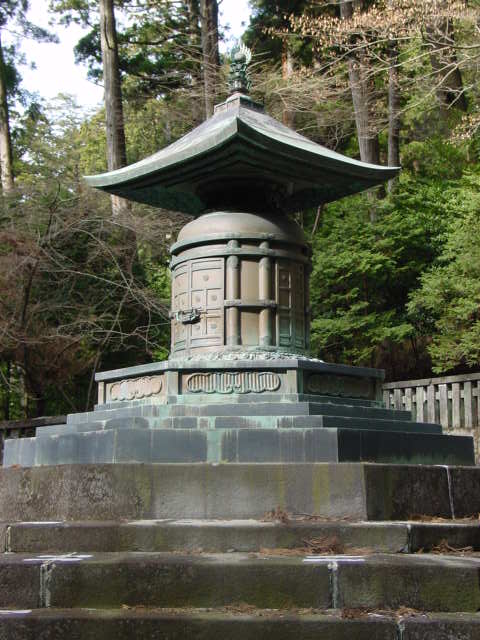
The colorful, almost gaudy decoration of the shrines reveal the power and wealth of the Tokugawas - military commanders (shogun) of the nation from the early 17th to mid 19th century. The artwork stands in stark contrast to the more "aristocratic" sensibility of many of Kyoto's temples and shrines. The Tokugawas overthrew imperial control and rejected much of courtly art.
The recurring symbols of fierce animals and sturdy pine trees intend to demonstrate the power and longevity of the Tokugawa dynasty, for so long Japan's paramount clan.

Travel tip
If you take the express Tokkyu or rapid Kaisoku on the Tobu Nikko line from Asakusa check whether you need to change at Imaichi.
Read about nearby Chuzenji-ko and Kegon Falls.
Lonely Planet Guide to Japan - Buy this book from Amazon
USA
UK
Japan
Onsen in Japan
Post a Comment